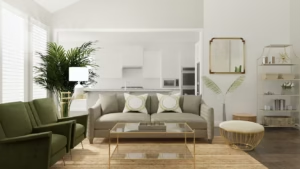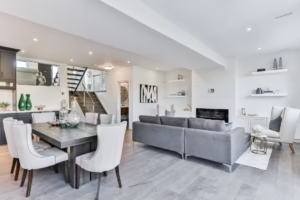

The Mrshometips house guide by Masterrealtysolutions can be understood as a practical resource for people looking for ideas and guidance around their homes. Masterrealtysolutions publishes content covering areas such as home tips, interior design, exterior improvements, gardening, maintenance, and broader property topics.
For homeowners in the UK and USA, a useful house guide should do more than provide decorating inspiration. It should help connect appearance with everyday practicality: how a room works, how an exterior performs, which improvements deserve attention, and what should be considered before spending money.
That makes a practical approach to home guidance especially useful. Instead of treating every project as a major renovation, homeowners can assess their needs, budget, property type, and priorities before deciding what to change.
How Mrshometips Can Help With Home Planning
A house rarely needs everything changed at once. A better starting point is to identify the problem you are actually trying to solve.
For example:
- A dark room may need better lighting rather than new furniture.
- A cluttered kitchen may need improved storage before a full remodel.
- A tired exterior may benefit from cleaning, repainting, or landscaping.
- An uncomfortable living room may have a furniture-layout problem rather than a decoration problem.
- A poorly maintained property may require basic repairs before cosmetic improvements.
This way of thinking helps prevent unnecessary spending. It also makes home projects easier to prioritize.
Masterrealtysolutions describes its broader website as a source of practical home tips intended to help people create more comfortable, efficient, and organized living spaces. Its published categories include Home Tips, Home Exterior, and Home Interior.
Home Interior Ideas: Start With Function
Good interior design is not simply about choosing attractive colors or fashionable furniture. The room needs to work for the people who use it.
Before buying anything, consider:
Room Layout
Furniture should leave enough space for normal movement. A beautiful sofa arrangement becomes frustrating if people have to squeeze around it every day.
Think about the main paths through the room, door swings, windows, heating equipment, and the location of electrical outlets.
Lighting
Use a mixture of lighting where appropriate. General lighting provides overall illumination, while task and accent lighting can make specific areas more useful or visually interesting.
A reading chair, kitchen worktop, desk, or dressing area may each need different lighting requirements.
Colour
Colour can influence how a room feels, but it should work with the property’s natural light, flooring, furniture, and architectural features.
Rather than choosing a colour because it is trending, test how it looks in the actual room at different times of day.
Storage
Storage is one of the easiest things to overlook when decorating.
Consider what needs to be stored before purchasing decorative furniture. A practical cabinet, shelving system, or built-in solution can sometimes improve a room more than another decorative accessory.
Improving the Exterior of Your Home
The outside of a house affects both its appearance and its practical condition.
Masterrealtysolutions’ published home content includes exterior subjects such as painting, windows, roofing, landscaping, and outdoor living.
A sensible exterior review can begin with a simple walk around the property.
Look for:
- Peeling or damaged paint
- Blocked or damaged gutters
- Cracked paving
- Poor drainage
- Damaged fencing
- Overgrown vegetation
- Worn entrance areas
- Signs of moisture around walls or windows
Not every problem requires an immediate major renovation. Some issues are cosmetic, while others can become more expensive if maintenance is delayed.
For example, repainting a sound surface is very different from covering up deterioration that needs proper repair first.
Home Decor Should Match the Property
Decorating decisions work best when they consider the character and limitations of the house.
A small apartment, suburban family home, rural property, and older period house can require very different approaches.
For a smaller space, practical choices might include:
- Furniture with more than one function
- Wall-mounted storage
- Mirrors used thoughtfully
- Lighter visual elements
- Clear circulation paths
For a larger property, the challenge may be different. Rooms can feel disconnected if furniture, colours, and materials have no relationship with one another.
A consistent design does not mean every room must look identical. Instead, repeated materials, complementary colours, or similar design details can create a sense of continuity.
Maintenance Comes Before Decoration
Home improvement is easier when basic maintenance is under control.
Before spending heavily on cosmetic changes, check whether the property has problems involving:
- Water leaks
- Damp or moisture
- Roof condition
- Plumbing
- Electrical systems
- Heating or cooling
- Windows and doors
- Drainage
Decorative work can hide a problem temporarily without fixing its cause.
If there is evidence of a serious structural, electrical, plumbing, roofing, or safety issue, the appropriate qualified professional should assess it rather than relying solely on general online advice.
How to Prioritize Home Projects
A simple priority system can make a long list of improvements more manageable.
| Priority | Type of project | Typical reason |
|---|---|---|
| 1 | Safety or serious damage | Prevent harm or worsening problems |
| 2 | Water, drainage, or structural issues | Protect the property |
| 3 | Essential systems | Maintain reliable everyday use |
| 4 | Functional improvements | Make rooms easier to use |
| 5 | Cosmetic changes | Improve appearance and atmosphere |
| 6 | Optional upgrades | Add convenience or personal style |
This is not a universal rule, because individual properties differ. A homeowner with a leaking roof has a very different priority list from someone whose house is structurally sound but simply needs a new living-room layout.
Home Improvement Decisions in the UK and USA
The basic principles of good home planning apply in both markets, but local conditions can differ significantly.
Building practices, climate, housing styles, regulations, materials, energy requirements, property taxes, insurance arrangements, and contractor practices vary between—and sometimes within—the UK and USA.
For that reason, general home advice should not be treated as a substitute for local requirements.
If a project involves planning permission, building regulations, electrical work, structural changes, property boundaries, or other regulated work, check the applicable local authority or use an appropriately qualified professional.
A Practical Way to Use a House Guide
You do not need to read every home-improvement article before making a decision.
A more useful approach is to start with the problem in front of you.
Step 1: Identify the goal.
Decide whether you want to improve comfort, appearance, storage, maintenance, energy use, outdoor space, or property functionality.
Step 2: Inspect the existing space.
Look at what is already working and what is causing the problem.
Step 3: Set a realistic budget.
Separate essential repair costs from optional decorative spending.
Step 4: Consider alternatives.
A small improvement may solve the problem without requiring a complete renovation.
Step 5: Check local requirements.
For regulated or technically complex work, verify the rules that apply to your property.
Step 6: Do the work in priority order.
Address important maintenance and safety concerns before purely cosmetic projects.
This approach turns home improvement from a collection of random ideas into a manageable plan.
What Makes Useful Home Advice Different From Generic Decor Tips?
Useful house guidance explains why a recommendation makes sense and where it may not apply.
For example, saying “paint your walls a light colour” is incomplete advice. The better question is whether the room has limited natural light, what the existing flooring looks like, how the space is furnished, and whether the homeowner wants a warm or cooler atmosphere.
The same principle applies to larger projects. A recommendation should account for the property’s condition, intended use, budget, climate, and local requirements where relevant.
Masterrealtysolutions currently presents itself as a home-information resource with content spanning home maintenance, interior and exterior ideas, gardening, and property-related subjects.
Conclusion
The Mrshometips house guide by Masterrealtysolutions is best approached as a source of practical ideas for understanding and improving a home rather than as a replacement for professional advice on complex property work.
For homeowners, the most useful starting point is usually simple: identify the actual problem, check the condition of the property, establish priorities, and then choose improvements that make sense for the space.
Good home design is not necessarily about spending more. It is about making thoughtful decisions that improve how the property looks, functions, and feels over time.