
Introduction
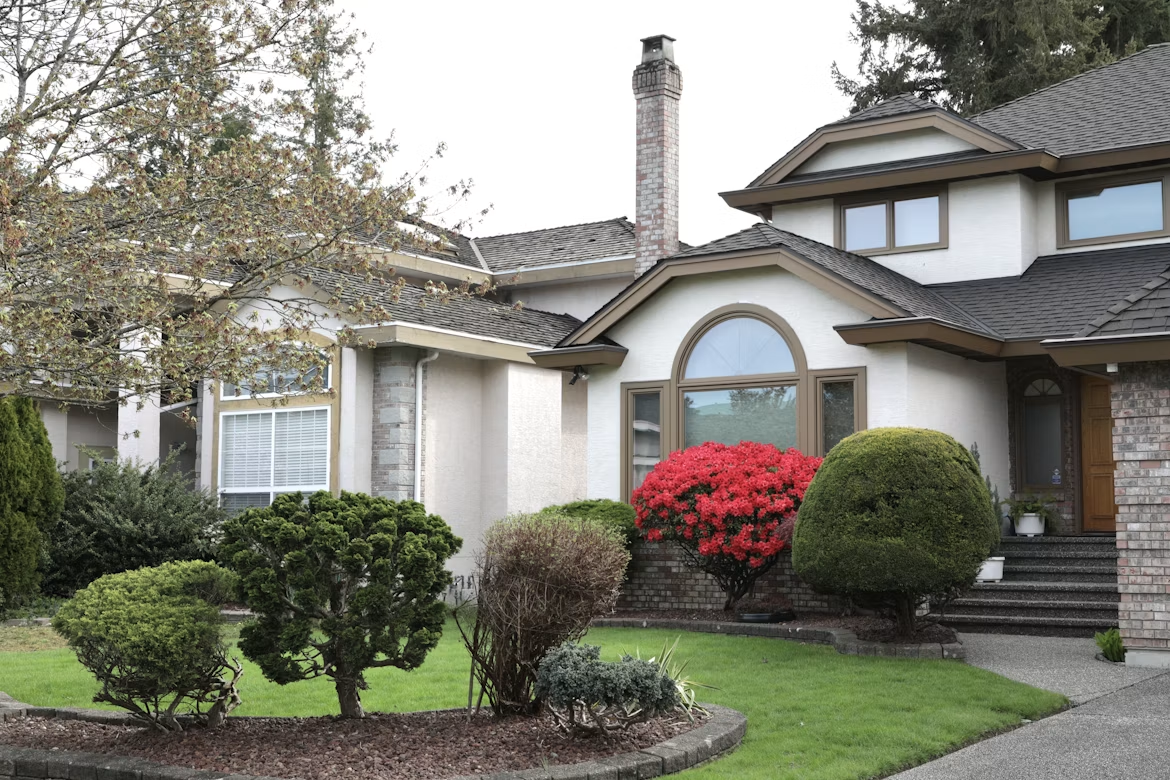
A well-planned home exterior does more than make a property look attractive. It protects the building from weather, supports comfortable outdoor living, and helps create a strong first impression. The most effective improvements are not always expensive renovations; often, careful maintenance, better lighting, refreshed finishes, and thoughtful landscaping can make a noticeable difference.
For homeowners in the UK and USA, exterior priorities can vary because climate, construction methods, materials, and local conditions differ. A practical approach is to assess the condition of the property first, then decide which improvements will provide the most useful combination of appearance, durability, and maintenance.
MasterRealtySolutions.com covers home exterior topics alongside broader homeownership and real-estate guidance, making exterior maintenance and improvement part of a wider approach to caring for a property.
What Should You Check First on a Home Exterior?
Before choosing paint colours or buying new landscaping, inspect the exterior from top to bottom. Cosmetic improvements should not hide problems that could become more expensive later.
Start with these areas:
- Roof: Look for missing, damaged, or visibly deteriorated materials and signs of water intrusion.
- Gutters and downpipes: Check for blockages, leaks, loose sections, and poor drainage.
- Walls and siding: Look for cracks, rot, loose panels, staining, or peeling finishes.
- Windows and doors: Examine seals, frames, glazing, locks, and visible signs of moisture.
- Foundation and lower walls: Look for significant cracking, persistent dampness, or water collecting near the building.
- Steps, paths, and decks: Check for loose boards, unstable surfaces, damaged railings, or trip hazards.
- Landscaping: Look for overgrown vegetation, blocked drainage routes, and plants growing too close to the structure.
This inspection creates a useful distinction between maintenance, repair, and improvement. Fixing a leaking gutter is different from replacing it for appearance, just as repairing damaged siding is different from changing the entire façade.
Improve Curb Appeal Without Rebuilding the House
A home exterior can look significantly fresher without a major renovation. Small changes work particularly well when they are coordinated rather than treated as unrelated projects.
Refresh the Front Entrance
The entrance naturally attracts attention. Clean the door, repair damaged trim, replace worn hardware where appropriate, and make sure the approach to the entrance is clear.
A new door colour can also change the character of a property, but it should work with the existing roof, walls, windows, and surrounding landscape.
Clean and Repair Visible Surfaces
Exterior cleaning can reveal whether a surface actually needs replacement or simply needs maintenance. Remove appropriate surface dirt and organic growth using methods suitable for the material.
Avoid aggressive cleaning methods that can damage masonry, paint, timber, render, or siding.
Improve Exterior Lighting
Outdoor lighting can make entrances, pathways, steps, and entertaining areas easier to use after dark. Rather than illuminating everything equally, focus on areas where visibility and orientation matter.
Motion-activated lighting can be useful in some locations, while softer fixed lighting may suit entrances and outdoor seating areas.
Choose Exterior Materials for the Whole Property
Exterior materials should be selected for more than appearance. Consider how each material performs in the property’s climate, how often it needs maintenance, how it interacts with existing materials, and whether repairs will be straightforward in the future.
Common exterior choices include:
| Material or finish | Potential advantage | Main consideration |
|---|---|---|
| Brick | Durable and established appearance | Mortar and masonry may still require maintenance |
| Timber | Natural appearance and design flexibility | Usually requires appropriate protection and maintenance |
| Vinyl siding | Available in many styles and colours | Installation quality and local climate matter |
| Fibre-cement siding | Durable finish with several design options | Requires correct installation and detailing |
| Stucco/render | Can create a clean, continuous appearance | Moisture management and local suitability are important |
| Stone or masonry | Strong visual presence and durability | Can involve higher material and installation costs |
There is no universally correct exterior material. The right choice depends on the building, climate, budget, existing construction, and maintenance expectations.
Use Landscaping to Support the Architecture
Landscaping should complement the house rather than compete with it.
For a straightforward exterior update, concentrate on structure first. Define pathways, keep entrances visible, maintain planting beds, and select plants that suit the local growing conditions.
Keep mature plant size in mind before planting near walls, windows, foundations, or utility areas. A plant that looks appropriately sized at installation can eventually become a maintenance problem if its mature growth is ignored.
In areas with strong seasonal changes, choosing plants suited to local conditions can also reduce unnecessary replacement and maintenance.
Create a More Useful Outdoor Living Area
Outdoor space becomes more valuable from a practical perspective when it has a clear purpose.
Depending on the property, this might mean creating:
- A small dining area
- A shaded seating space
- A simple garden retreat
- A safe play area
- A defined barbecue or cooking zone
- A pathway connecting different parts of the garden
- A low-maintenance area for relaxing
The goal is not to fill every part of the garden with furniture. Instead, create spaces that make the available outdoor area easier to understand and use.
This approach also supports presentation when a property is being prepared for sale. MasterRealtySolutions has similarly highlighted outdoor upgrades, defined pathways, lighting, landscaping, and usable outdoor zones as elements that can influence how buyers perceive a property.
Prioritize Exterior Projects by Risk and Need
A useful exterior improvement plan does not begin with the most visually exciting project. It begins with the issue that matters most.
A simple priority system can help:
1. Safety and water-related problems
Address damaged steps, unsafe railings, significant leaks, drainage problems, and other issues that can cause immediate harm or further damage.
2. Structural and protective maintenance
Deal with deteriorated roofing, damaged siding, failing finishes, or other components that protect the building.
3. Functional improvements
Consider lighting, pathways, drainage improvements, storage, fencing, or outdoor-use areas.
4. Cosmetic improvements
Move on to painting, decorative elements, planting schemes, and other appearance-focused changes.
This order helps prevent a common mistake: spending heavily on appearance while postponing a problem that can damage the property.
How to Plan a Home Exterior Refresh on a Budget
You do not need to complete every project at once. A phased plan can make exterior improvements easier to manage.
Start by listing every issue you can identify. Separate essential repairs from desirable improvements. Then obtain appropriate estimates for work that requires professional installation.
For example:
Phase 1: Repair leaks, drainage issues, damaged steps, or other urgent problems.
Phase 2: Clean and repair exterior surfaces, gutters, paths, fencing, and visible trim.
Phase 3: Improve the entrance, lighting, landscaping, and outdoor-use areas.
Phase 4: Consider larger aesthetic projects such as new siding, major hardscaping, or extensive exterior redesign.
A phased approach also gives you an opportunity to reassess the property after each stage rather than committing to a complete makeover immediately.
When Should You Hire a Professional?
Some exterior work is suitable for routine homeowner maintenance, while other projects require specialist knowledge, equipment, or permits.
Professional help is particularly appropriate when a project involves areas such as:
- Roofing
- Structural repairs
- Significant electrical work
- Major drainage changes
- High or difficult-to-access areas
- Extensive masonry
- Large-scale tree work
- Major alterations to the building envelope
Before hiring a contractor, ask what work is included, what materials will be used, how unexpected problems are handled, and whether local requirements apply.
Do not select a contractor solely because an estimate is the lowest. The scope of work, relevant experience, insurance or licensing requirements where applicable, materials, warranties, and communication can all affect the practical value of a proposal.
Exterior Maintenance Should Be Ongoing
A home exterior is easier to manage when maintenance is treated as a routine rather than a once-a-decade project.
A simple seasonal inspection can include:
- Checking gutters and drainage
- Looking for roof or flashing problems
- Inspecting exterior paint and finishes
- Checking doors and windows
- Looking for signs of moisture
- Trimming vegetation where necessary
- Cleaning appropriate exterior surfaces
- Inspecting fences, decks, steps, and pathways
- Checking outdoor lighting
The exact schedule depends on the property’s construction, local climate, materials, and exposure to weather.
MasterRealtySolutions’ existing home exterior material similarly emphasizes inspection, prioritization, material selection, budgeting, and maintenance planning rather than treating curb appeal as a purely cosmetic exercise.
Common Home Exterior Mistakes to Avoid
Several avoidable mistakes can make exterior projects more expensive or less successful.
Choosing Appearance Before Performance
A finish may look excellent but perform poorly in a particular climate or on a particular building. Consider durability and maintenance before committing to appearance alone.
Ignoring Drainage
Water management is one of the most important practical considerations around a house. Blocked gutters, poorly directed downpipes, and water collecting against the building should not be treated as minor cosmetic issues.
Mixing Too Many Materials
Using numerous unrelated colours, textures, and materials can make an exterior feel disjointed. A smaller, coordinated material palette is often easier to maintain visually.
Planting Without Considering Mature Size
Landscaping should be planned around how plants will grow, not just how they look on planting day.
Treating Every Project as DIY
Some work carries meaningful safety or property risks. Knowing when to bring in a qualified professional is part of good project planning.
A Practical Exterior Planning Checklist
Before starting a major update, ask:
- What exterior problems need immediate attention?
- Is water draining away from the property properly?
- Which surfaces need repair rather than replacement?
- Does the chosen material suit the local climate?
- How much maintenance will the improvement require?
- Does the new design work with the existing roof, windows, and walls?
- Which landscaping changes will remain manageable as plants mature?
- Do any parts of the project require specialist work or local approval?
- Can the project be divided into sensible phases?
- Will the finished exterior be useful as well as attractive?
These questions can prevent cosmetic decisions from overshadowing practical ones.
Conclusion
A successful home exterior combines appearance, protection, usability, and manageable maintenance. The best improvement plan is not necessarily the largest one. It starts by identifying genuine problems, dealing with water and safety concerns, selecting materials appropriate to the property, and then adding design improvements that support the way the home is used.
For homeowners following home-improvement guidance from MasterRealtySolutions.com, the most useful approach is to treat curb appeal as one part of broader property care. A clean entrance, healthy landscaping, appropriate lighting, durable finishes, and a sensible maintenance routine can work together without requiring an unnecessary full-scale renovation.