
Article Body
Styling a home is not simply about buying attractive furniture or following the latest decorating trend. Good styling makes a room work better while giving it a clear visual identity. The approach reflected across MasterRealtySolutions.com focuses on practical home improvement, interior ideas, comfort, and the relationship between design choices and everyday living.
For homeowners searching for masterrealtysolutions.com styling ideas, the most useful starting point is to consider the room as a whole: layout, lighting, color, storage, materials, and personal details should support one another rather than compete for attention.
Start With Function Before Decoration
Before choosing cushions, artwork, rugs, or accessories, decide what the room needs to do.
A living room might need to support conversation, television viewing, reading, and occasional work. A bedroom may need better storage and a calmer atmosphere. A dining area needs enough clearance for people to move around the table comfortably.
This approach prevents a common styling mistake: choosing individual items that look good separately but do not work together once they are placed in the room.
Measure the room first and identify fixed features such as:
- Windows and doors
- Radiators and vents
- Built-in storage
- Electrical outlets
- Architectural features
- Main walking routes
Furniture should then be arranged around those practical constraints.
Drhomey Health
Drhomey Health provides helpful health tips, wellness advice, healthy lifestyle information, and practical guidance to support your everyday health and well-being.
Health Topices
Explore Health Topices for useful health information, wellness tips, nutrition advice, common health conditions, and practical healthy living guidance.
Roof Style
Discover Roof Style ideas, popular roof designs, roofing materials, and expert tips to help you choose the right roof style for your home.
Pro Roof Guard
Pro Roof Guard shares roofing protection tips, roof maintenance advice, leak prevention solutions, and helpful information for protecting your property.
Roofing Reviews
Explore Roofing Reviews to compare roofing companies, evaluate customer feedback, understand roofing services, and make informed contractor decisions.
Roof Yards
Roof Yards offers roofing ideas, roof design inspiration, material guides, and practical tips for durable and attractive residential roofing.
Iron Roof Works
Iron Roof Works explores iron roofing materials, metal roof designs, installation tips, maintenance advice, and durable roofing solutions for your property.
Use Furniture to Create Better Flow
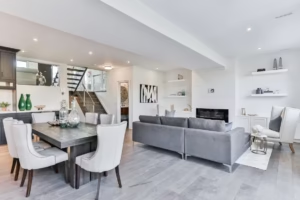
Furniture placement can have a surprisingly large effect on how a room feels. Oversized pieces can make a space appear cramped, while furniture that is too small may leave the room feeling disconnected.
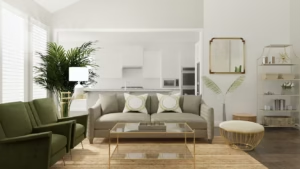
A useful approach is to place the largest item first. In a living room, this is often the sofa. From there, add chairs, tables, storage, and accessories while maintaining comfortable circulation.
Furniture placement also has practical consequences beyond appearance. MasterRealtySolutions.com has highlighted how large furniture can interfere with airflow when it blocks vents or creates poor circulation paths.
A well-styled room should therefore balance visual composition with physical comfort.
Build a Consistent Color Palette
You do not need a complicated color scheme to make an interior feel considered.
Start with one dominant color, then add supporting shades through furniture, textiles, artwork, and accessories. Neutral walls can provide flexibility, while stronger colors can be introduced through smaller pieces that are easier to replace.
For example, a simple palette might combine:
| Element | Possible approach |
|---|---|
| Walls | Warm white or soft neutral |
| Large furniture | Beige, grey, brown, or muted color |
| Textiles | One or two complementary shades |
| Wood | Natural or warm-toned finish |
| Accessories | Small amounts of contrasting color |
Repeating a color in several areas helps connect separate parts of the room without making everything match exactly.
Layer Lighting Instead of Relying on One Fixture
Lighting is one of the easiest ways to change the character of a room.
Instead of depending entirely on one ceiling fixture, combine several types of lighting:
- Ambient lighting for general illumination
- Task lighting for reading, cooking, or working
- Accent lighting for artwork, shelving, or architectural features
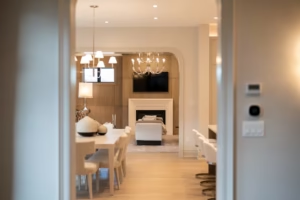
This layered approach also appears in MasterRealtySolutions.com interior content, where lighting is treated as part of the overall room design rather than an afterthought.
Use dimmers where practical, particularly in living rooms and bedrooms. Lamps can also introduce warmth without requiring major electrical work.
Add Texture for Depth
A room can have a strong color palette and still feel flat if every surface has the same visual quality.
Texture creates contrast. Consider combining materials such as:
- Linen
- Wool
- Wood
- Ceramic
- Metal
- Glass
- Woven materials
- Natural stone
A smooth coffee table can work well with a textured rug. A plain sofa can gain depth from cushions and a throw. Hard surfaces can be softened with curtains or upholstered furniture.
The objective is not to fill every surface. A few contrasting textures are usually more effective than a room packed with accessories.
Style Shelves Without Making Them Look Crowded
Bookshelves are both functional storage and an opportunity for personal styling.
One useful method is to combine vertical and horizontal books with a small number of decorative objects. Varying height creates visual rhythm, while leaving some empty space prevents the shelving from becoming overwhelming.
MasterRealtySolutions.com recommends approaches such as layering objects, mixing books with decorative pieces, incorporating texture, and adding personal items to make shelving feel less staged.
Personal objects can be especially effective because they give the room a sense of history. Family photographs, travel objects, handmade pieces, or favorite books can make a styled space feel lived in rather than copied from a showroom.
Use Plants as Natural Decor
Plants can soften hard architectural lines and introduce organic shapes into an interior.
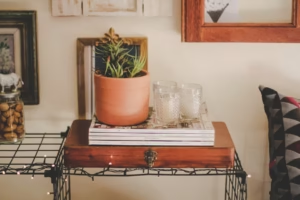
The best choice depends on the available light and how much maintenance you are prepared to handle. A tall plant can fill an empty corner, while smaller plants can work on shelves or side tables.
MasterRealtySolutions.com has also explored using greenery across different interior styles, including Scandinavian, minimalist, industrial, contemporary, and eclectic spaces.
The key is restraint. Plants should complement the room rather than turn every surface into a plant display.
Make Small Changes Before Starting a Major Renovation
A refreshed interior does not necessarily require new flooring, cabinets, or furniture.
Simple changes can include:
- Replacing tired cushions or throws.
- Updating curtains or bedding.
- Improving lighting.
- Rearranging furniture.
- Adding artwork.
- Removing unnecessary clutter.
- Introducing plants or natural materials.
- Changing small hardware such as cabinet handles.
MasterRealtySolutions.com similarly highlights textiles, lighting, wall decor, decluttering, plants, and finishing details as accessible ways to change the feel of a room.
These smaller improvements can also help homeowners understand what they actually want before committing to a larger project.
Style for Everyday Living
A visually attractive room is not successful if it is difficult to maintain or uncomfortable to use.
Choose materials according to the household. Homes with children or pets may need durable upholstery and washable fabrics. Busy households may benefit from storage that keeps everyday items accessible but visually contained.
The same principle applies when preparing a home for sale. Styling can improve presentation, but decorative changes cannot substitute for necessary repairs. MasterRealtySolutions.com notes this distinction in its discussion of kitchen staging: surface improvements can enhance presentation, while damaged finishes or outdated systems may still require proper attention.
Good styling therefore starts with the condition and function of the home, not just its appearance.
A Simple Styling Process to Follow
If you are unsure where to begin, use this sequence:
1. Declutter
Remove objects that are broken, unused, or no longer contribute to the room.
2. Measure
Record room dimensions and the size of major furniture pieces.
3. Establish the layout
Create clear walking paths and arrange furniture around the room’s main purpose.
4. Choose a palette
Select a small group of complementary colors.
5. Improve lighting
Combine ambient, task, and accent lighting where appropriate.
6. Add texture
Introduce rugs, fabrics, wood, ceramics, or other contrasting materials.
7. Personalize
Use artwork, books, photographs, plants, and meaningful objects.
8. Step back and edit
Remove anything that feels unnecessary or visually distracting.
This process keeps styling focused on decisions that improve the room rather than encouraging unnecessary purchases.
Conclusion
Effective home styling is less about following a perfect formula and more about making deliberate choices. Furniture should support movement, lighting should support different activities, colors should connect the space, and accessories should add personality without creating clutter.
The practical ideas associated with masterrealtysolutions.com styling provide a useful framework: begin with function, improve the layout, layer lighting and texture, then add personal details. Whether you are refreshing one room or planning a larger interior project, starting with these fundamentals can help create a home that looks considered while remaining comfortable to live in.